Modern workplaces are all about fostering diversity and inclusion not only because they see it as a moral imperative; but also a strategic advantage. Companies that prioritise diversity and inclusion are not only better positioned to attract and retain top talent but also tend to outperform their competitors. However, achieving meaningful progress in this area requires more than just good intentions—it demands the strategic use of advanced HR tools.
Surveys indicate more than 70-80% of job seekers consider diversity and inclusion as important factors when considering job opportunities.
Before delving into the role of advanced HR tools, it’s crucial to understand what diversity and inclusion entail.
Diversity goes beyond traditional markers such as race, gender, and ethnicity; it encompasses a broad spectrum of characteristics, perspectives, and experiences.
Inclusion, on the other hand, involves creating a culture where every individual feels valued, respected, and empowered to contribute their unique insights and talents.
Historically, many organisations have relied on manual processes and outdated methods to address diversity and inclusion. While well-intentioned, these approaches often fall short of driving meaningful change. Without the right tools and technologies, HR teams may struggle to identify and address systemic biases, track diversity metrics effectively, or create inclusive policies and programs.
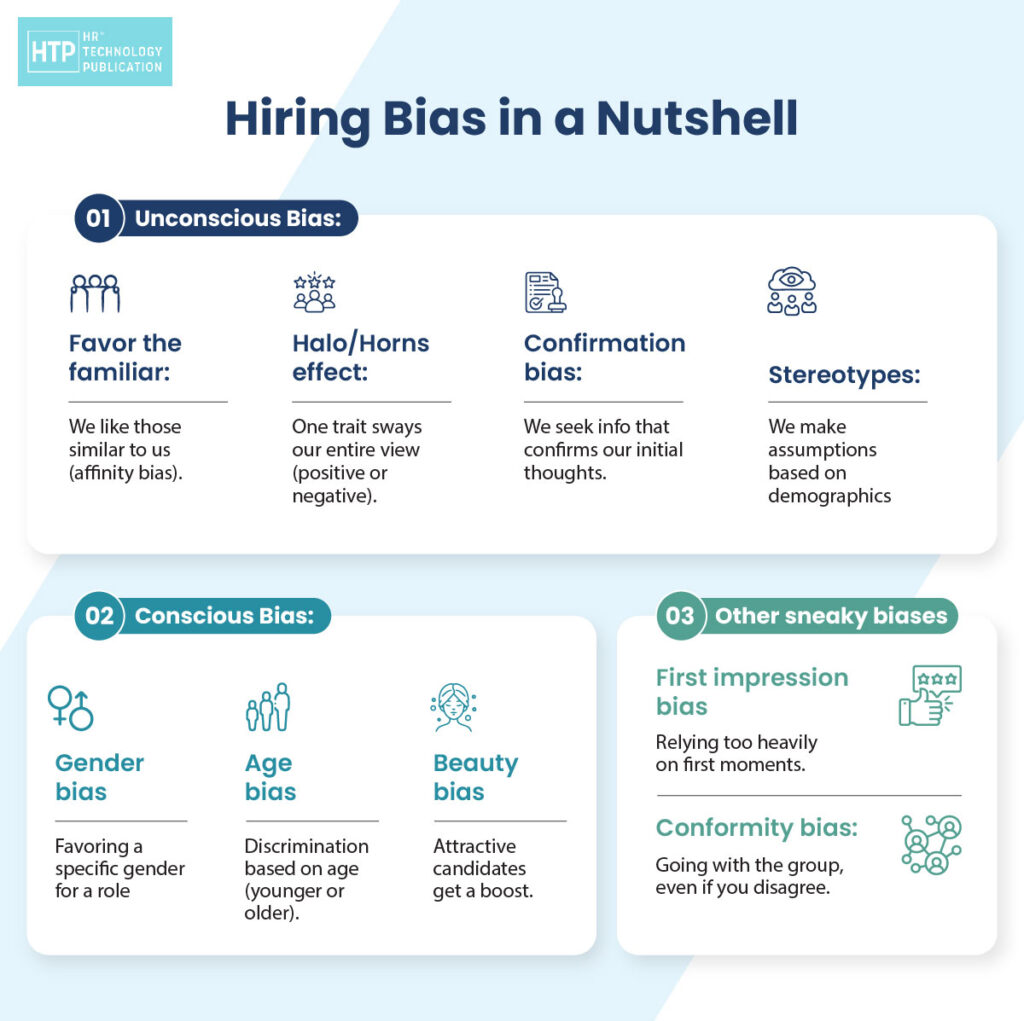
Advanced recruitment platforms go beyond traditional methods by leveraging AI and machine learning algorithms to address unconscious biases in the hiring process. Here's a more detailed breakdown of how these platforms work:
Learning management systems (LMS) equipped with advanced features play a crucial role in providing equitable learning opportunities for all employees. Here's how:
HR analytics tools empower organizations to identify and address patterns of bias in various HR processes. Here's how these tools work:
Advanced HR platforms streamline the creation and management of employee resource groups, fostering a sense of belonging and community among employees. Here's how these platforms support ERGs:
Feedback platforms enable employees to provide anonymous feedback in real time, creating channels for voicing concerns, reporting incidents of bias or discrimination, and offering suggestions for improvement. Here's how these platforms work:
By leveraging advanced HR tools in these key areas, organizations can proactively address barriers to diversity and inclusion, create more equitable workplaces, and foster a culture where every individual feels valued, respected, and empowered to succeed.
In the quest to build diverse and inclusive workplaces, advanced HR tools are indispensable allies. By harnessing the capabilities of technology, organisations can overcome the limitations of traditional approaches and drive meaningful change. However, it’s important to remember that technology alone is not a panacea—effective diversity and inclusion efforts require commitment, leadership buy-in, and ongoing collaboration across all levels of the organisation. By leveraging advanced HR tools in conjunction with strategic initiatives and a culture of inclusivity, companies can create environments where every individual feels valued, empowered, and able to thrive.
Discover how cutting-edge technologies are reshaping traditional practices, optimizing efficiency, and ensuring fairness in compensation processes. From AI-driven algorithms to data analytics, unlock the key insights driving the future of compensation management.
This HRTech Pub Intent news mentions the five salient features of UKG Ready HR Suite showcased at the SHRM 2024.