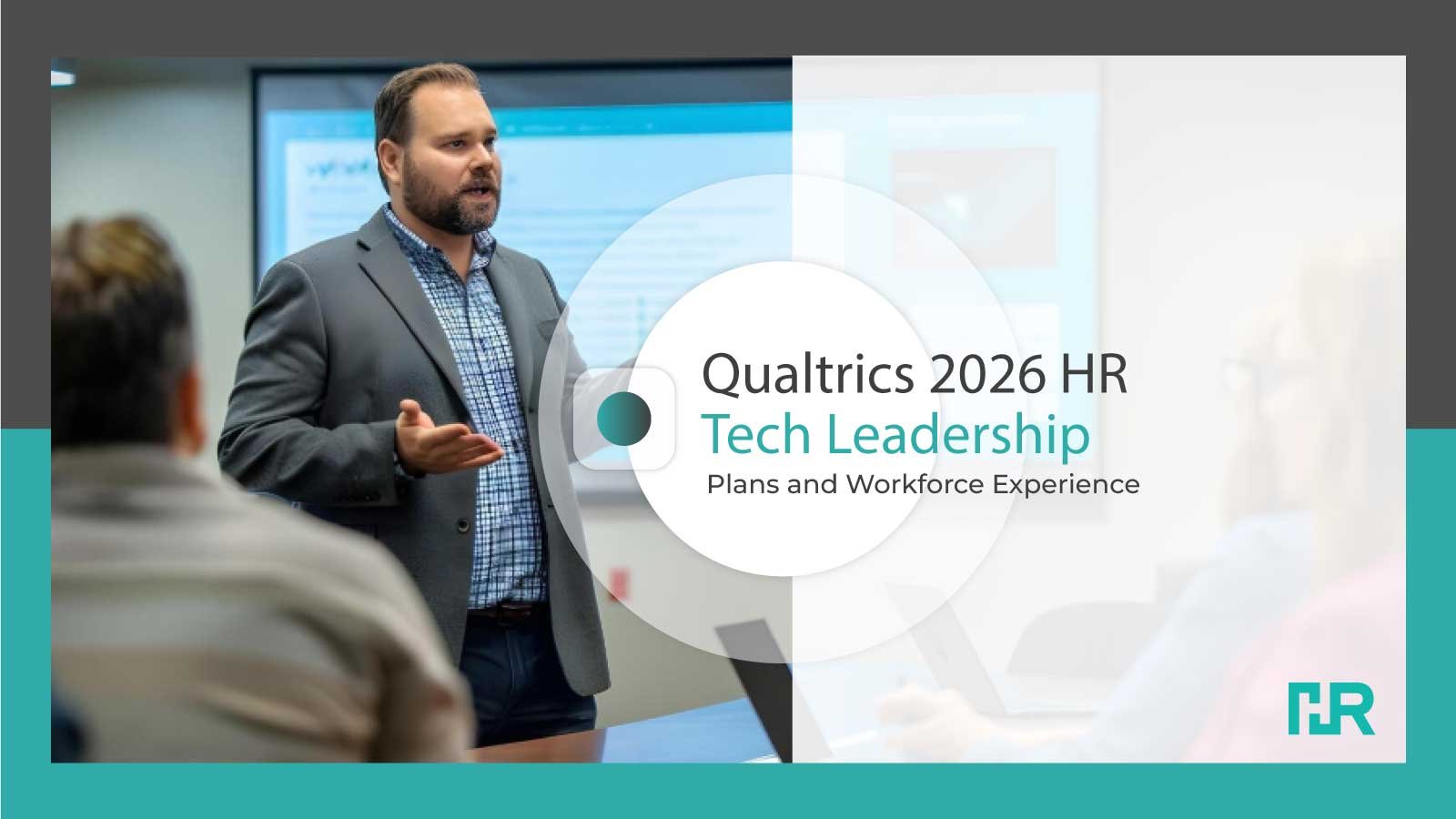
Jason Maynard stepped in as Qualtrics’ CEO in early 2026 with a reputation for operational rigor. Three decades in enterprise software, including scaling revenue and customer operations at Oracle, shaped him into a leader who focuses on measurable outcomes and tighter execution.
This means experience data can’t live in engagement reports or annual surveys anymore. It has to drive action. Faster interventions on attrition risk. Smarter workforce planning. Fewer surprises at quarter's end.
Under that kind of leadership, HR tech stops being “culture tooling” and starts looking more like operational infrastructure tied directly to productivity and cost control.
"The companies that win are the ones that understand this. That's the mission I signed up for: to improve the human experience," shared Maynard. "I deeply believe in the strategy and am grateful for the strong foundations built by our team, customers, and partners. My job is to help us continue building on this with speed, clarity, and a relentless focus on delivering real value."
Intent signals in HR are subtle. Drop in participation. Negative sentiment in internal tickets. Repeated manager complaints. Slower ramp times. Individually, they look like noise. Together, they point to flight risk or burnout.
Historically, that data lived in separate systems. HRIS over here. Helpdesk over there. Engagement tools somewhere else. Nobody connects the dots until it’s too late.
What Qualtrics is pushing toward is orchestration. Pull signals from across those touchpoints, run AI models that infer risk or dissatisfaction, then trigger action. A manager check-in. A workload adjustment. A policy fix. Small moves. Early.
It mirrors what’s happening more broadly with enterprise AI. According to PwC’s 2025 AI Agent Survey, 79% of companies are already deploying AI agents that execute tasks inside workflows, not just analyze data. That matters for HR because insight without intervention doesn’t change retention.
There’s a thin line between proactive and intrusive. Employees don’t want to feel surveilled. Sentiment models can misread context. And over-automating “engagement” risks turning people into tickets.
So the trade-off is obvious. More intelligence, but with restraint. Transparent governance. Managers are still making the call. Done well, intent tech doesn’t replace HR judgment. It sharpens it.
Which is the real opportunity here? Not more dashboards. Fewer surprises. In workforce management, fewer surprises are usually what separates stable teams from constant backfill mode.
To participate in our interviews, please write to our HRTech Media Room at info@intentamplify.com

AI is reshaping HR in 2026. From skills intelligence to governance, explore five trends redefining workforce strategy and leadership decisions.
Mark Zuckerberg’s AI push signals efficiency gains, but rising tech layoffs show how automation often turns productivity into headcount cuts.